
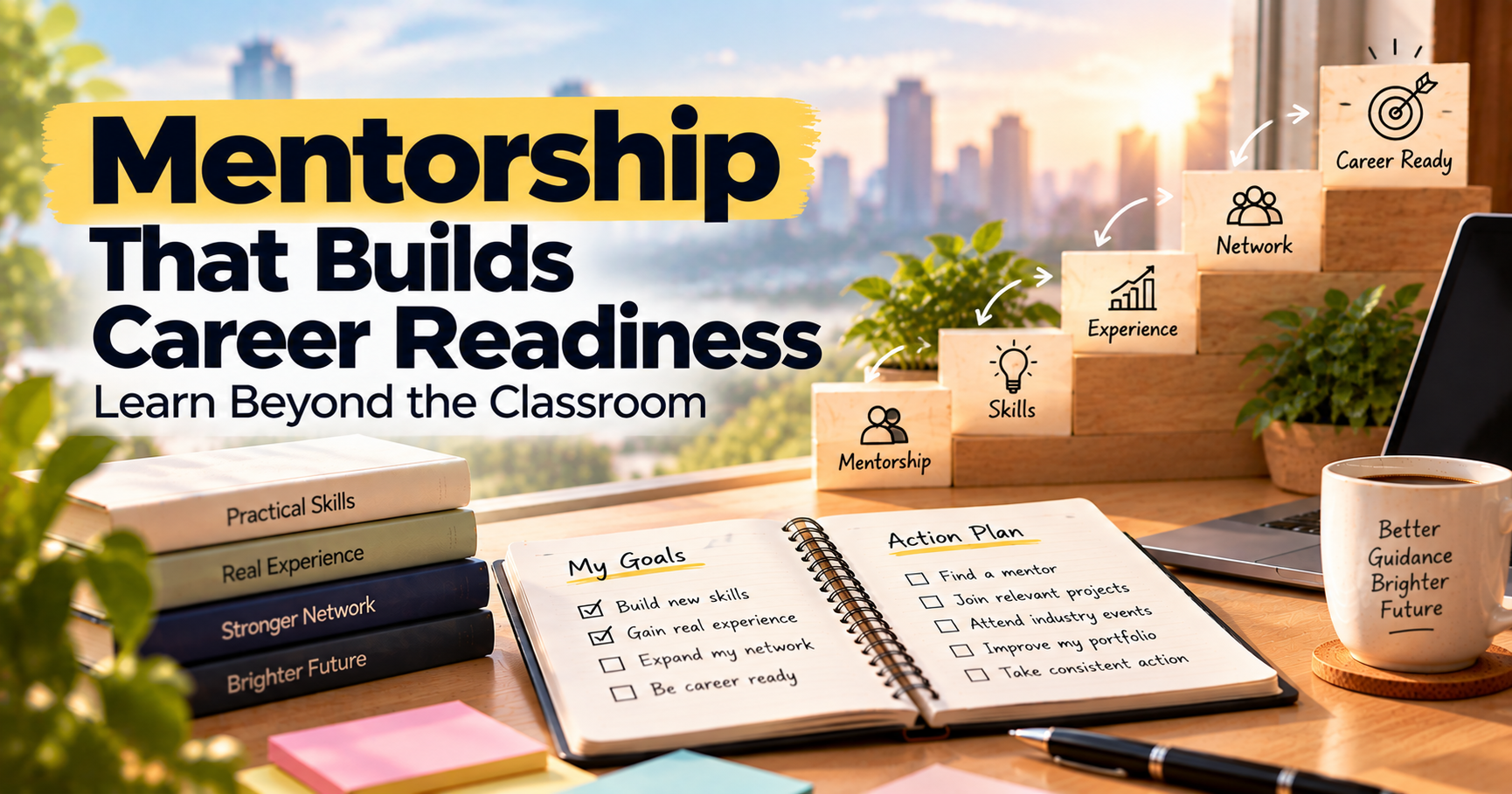
Getting ready for a career involves more than earning a degree or collecting certificates. Students and fresh graduates also need practical skills, confidence, professional awareness, and an understanding of how the workplace operates. This is where mentorship can make a meaningful difference.
A mentor is someone who shares experience, offers guidance, asks thoughtful questions, and helps you navigate challenges. The right mentor does not build your career for you. Instead, they help you make better decisions and become more capable of building it yourself.
1. Understand What Mentorship Really Means
Mentorship is a learning relationship built around growth, experience, and honest feedback. A mentor may be a professional in your field, a lecturer, an experienced colleague, an entrepreneur, or someone who has already navigated a path you want to explore.
Unlike simply following advice online, mentorship creates space to discuss your specific goals, questions, and challenges. You can learn not only what worked for someone else but also why they made certain decisions and what they learned from mistakes.
2. Turn Academic Knowledge into Practical Skills
University helps you develop knowledge, but the workplace often requires you to apply that knowledge under real constraints. You may need to communicate with a team, manage deadlines, solve unfamiliar problems, or explain your ideas to different audiences.
A mentor can help you understand these expectations and identify opportunities to practice them. Ask for feedback on a presentation, portfolio, research project, CV, or professional communication.
Whenever possible, combine mentorship with real experience through internships, volunteer projects, student organizations, or practical assignments. Learning becomes more valuable when you apply it, receive feedback, and improve.
3. Gain Clarity About Your Career Direction
It is normal to feel uncertain about your future, especially when you are choosing a specialization or applying for your first job. You do not need to have your entire career figured out before taking the next step.
A mentor can help you explore different roles, understand industry expectations, and recognize the skills required for particular career paths. Instead of asking, “What career should I choose?” try asking:
- What skills matter most in this role?
- What does a typical working day look like?
- What experiences would help me test whether this path suits me?
- What should I learn or practice over the next three months?
Use the answers to run small experiments, such as completing a project, attending an industry event, or speaking with another professional.
4. Build Confidence Through Honest Feedback
Confidence does not mean knowing everything. It means understanding your current abilities, recognizing what needs improvement, and being willing to learn.
A good mentor offers constructive feedback that helps you see your strengths and blind spots. Instead of treating criticism as a personal failure, ask what you can change and how you can practice.
Make feedback actionable. If a mentor says your presentation lacks clarity, ask which part was confusing and how you could communicate the message more effectively. Then revise your presentation and request feedback again.
5. Expand Your Professional Network Naturally
Career opportunities often emerge through conversations, collaboration, and professional relationships. Mentorship can introduce you to new communities and help you understand how people in your field connect and work together.
However, networking is not simply about collecting contacts or asking for job referrals. Focus on building genuine relationships, showing curiosity, contributing when you can, and following up respectfully.
When someone introduces you to a professional, explain what you are learning, ask thoughtful questions, and thank them for their time. A strong reputation grows through consistency and mutual respect.
6. Take Ownership of the Mentorship Relationship
Mentorship works best when you take responsibility for your own progress. Do not expect a mentor to plan every step or remind you about every commitment.
To make each conversation productive:
- Set one or two clear goals before meeting.
- Prepare specific questions instead of waiting for general advice.
- Share your progress and challenges honestly.
- Apply the advice and report what happened.
- Respect your mentor's time and agree on realistic expectations.
You can also seek different mentors for different needs. One person may help with technical skills, while another offers career perspective or leadership guidance.
7. Create a 30-Day Mentorship Action Plan
You can begin building a mentorship habit without waiting for a formal program. Use this simple 30-day plan:
- Week 1: Identify your career goals and the skills you want to develop.
- Week 2: Find two or three potential mentors whose experience aligns with your interests.
- Week 3: Reach out with a short, respectful message explaining what you hope to learn.
- Week 4: Arrange a conversation, ask focused questions, and create one practical action based on the discussion.
If someone is unavailable, do not take it personally. Continue learning through professional communities, alumni networks, workshops, and project-based opportunities.
Final Thoughts
Career readiness is built through continuous learning, practical experience, reflection, and relationships. Mentorship can accelerate that process by helping you learn from other people's experiences while developing your own judgment.
Remember that a mentor can open a door, but you must take the steps that follow. Be curious, act on feedback, build real skills, and stay responsible for your growth.
Ready to build your future? Explore learning opportunities with Berani Jadi Hebat and take practical steps toward becoming more confident, capable, and career-ready. Learn. Build. Become.