Imagine two students applying for the same internship. Both have similar grades, but one can clearly explain their skills, show projects they have completed, and demonstrate what they care about professionally. The other has a resume filled with general statements but little evidence to support them.
Who is easier for a recruiter to remember?
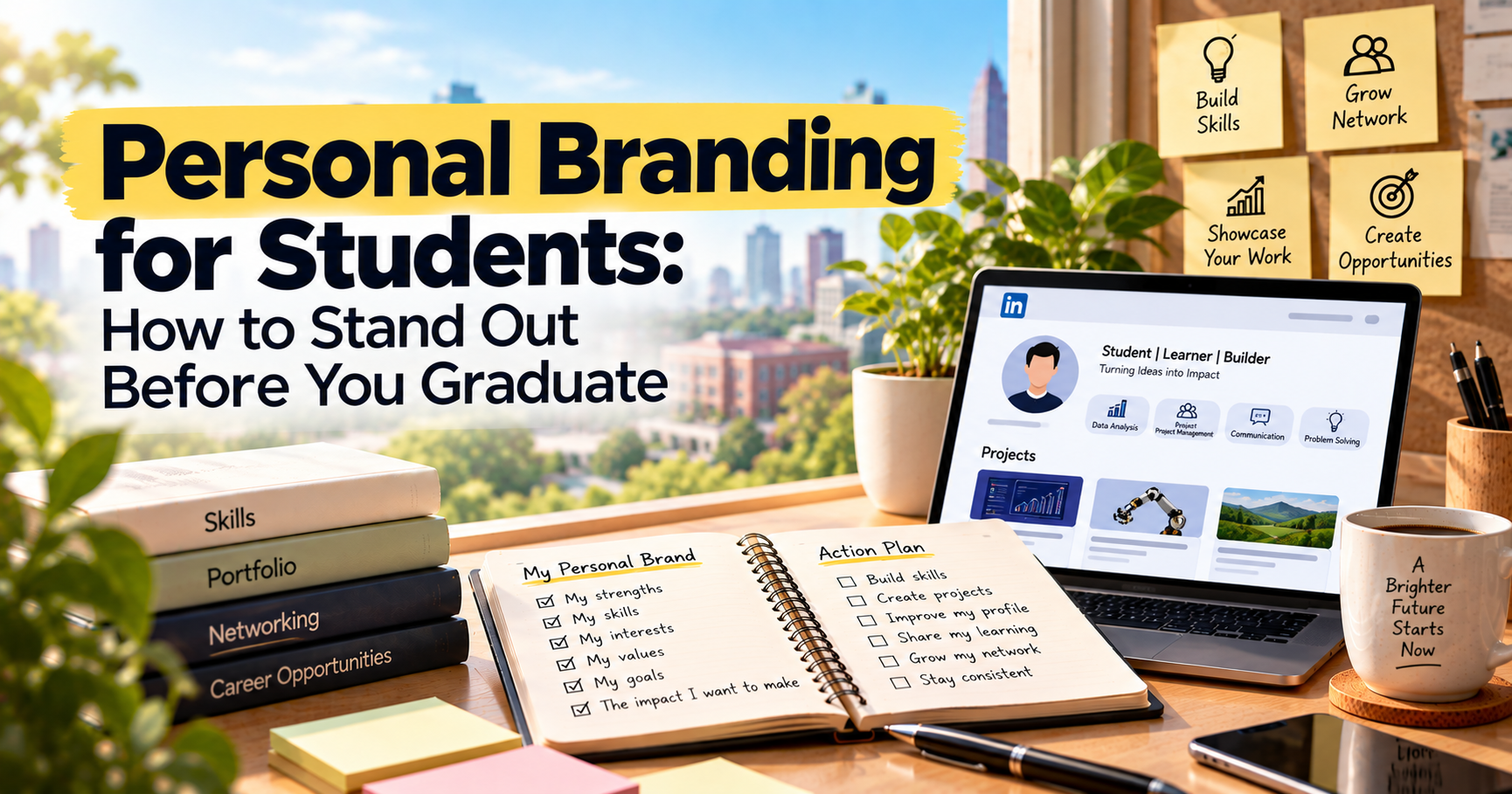
This is where personal branding matters. Your personal brand is the impression people develop from your skills, actions, interests, and the value you bring. You do not need thousands of followers or an impressive job title to build one. You need clarity, credibility, and consistency.
1. Understand What Personal Branding Really Means
Personal branding is not about pretending to be someone you are not. It is about helping others understand what you do, what you are learning, and how you can contribute.
As a student, your personal brand may reflect your interest in technology, your ability to organize projects, your communication skills, or your commitment to solving a particular problem.
Think of your personal brand as the connection between three things: what you know, what you do, and how you communicate your value. When these three elements support one another, people can develop a clearer understanding of your strengths.
2. Discover Your Strengths and Interests
Before building your personal brand, take time to understand yourself. You do not need to be an expert in everything. Start with the subjects, activities, and problems that genuinely interest you.
Ask yourself these questions:
- Which topics do I enjoy learning about?
- What skills have I developed through classes, projects, or organizations?
- What problems do I enjoy solving?
- What do classmates or teammates often ask me for help with?
- What kind of contribution would I like to make in the future?
Look for patterns in your answers. These patterns can help you identify a professional direction to explore. Your direction may change as you gain experience, and that is completely normal.
3. Build Skills Before Building an Online Image
A polished profile can attract attention, but real skills give people a reason to trust you. Before focusing heavily on social media, identify the capabilities that matter in your chosen field.
If you are interested in data analysis, practice working with datasets and explaining insights. If you want to become a designer, build a portfolio of design projects. If you are pursuing software engineering, create applications that demonstrate your problem-solving ability.
Choose one or two priority skills and practice them consistently. Small projects, internships, volunteering, and student organization activities can all provide evidence of what you can do.
4. Turn Your Experience into a Portfolio
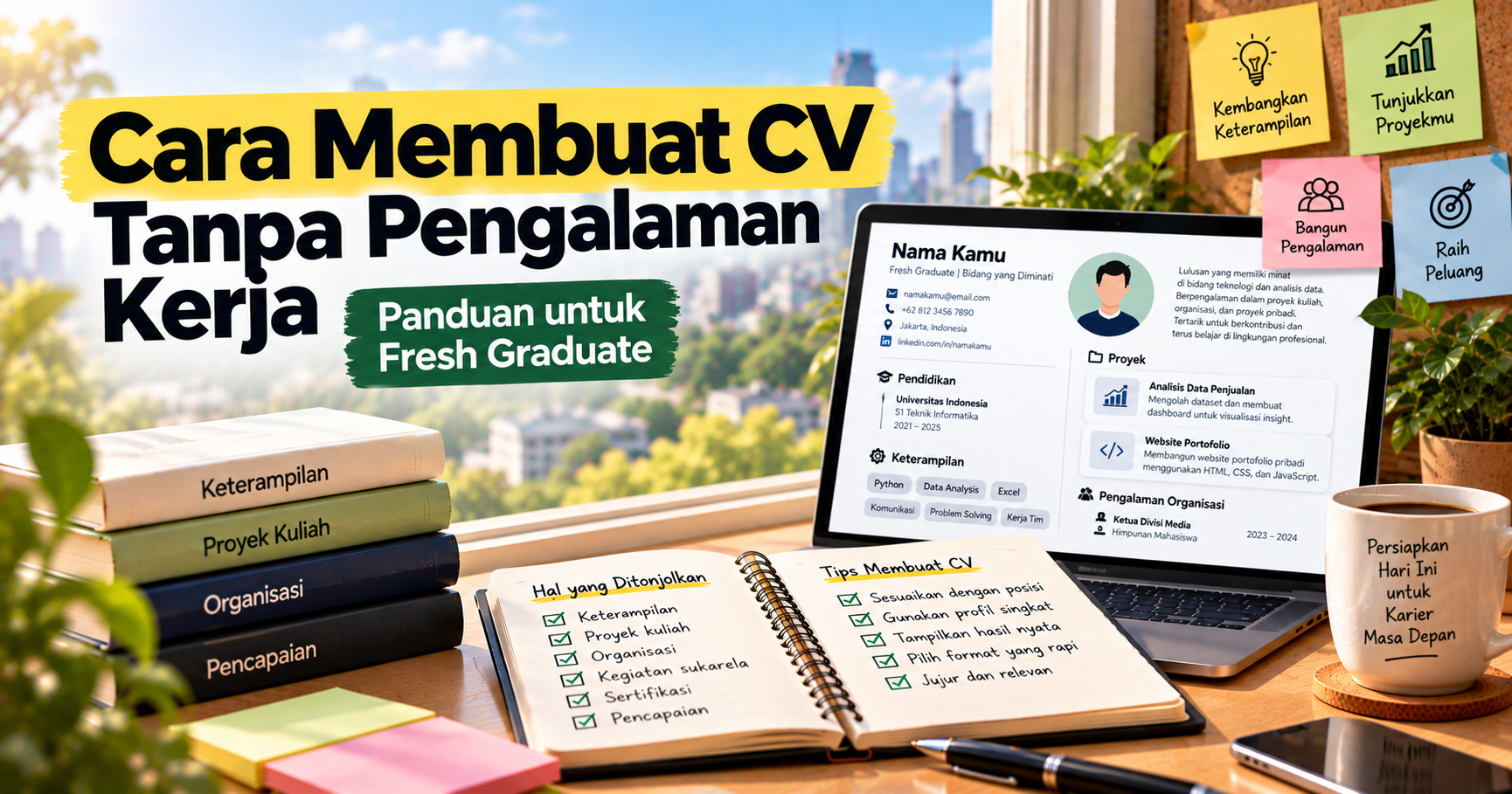
You do not have to wait until graduation to demonstrate your abilities. A portfolio can show how you think, what you have built, and what you learned along the way.
For each project, explain four things:
- The problem: What were you trying to solve?
- Your contribution: What did you personally do?
- The process: Which tools, methods, or skills did you use?
- The outcome: What did you produce or learn?
Be honest about your role and results. A small project explained clearly is often more informative than a long list of skills without supporting evidence.
5. Use LinkedIn and Social Media Strategically
Your online presence can help people discover your work and interests. You do not need to post every day or share every detail of your life. Focus on being useful, authentic, and consistent.
Start with the basics:
- Use a clear, professional profile photo where appropriate.
- Write a headline that explains your field of interest and strengths.
- Describe projects, responsibilities, and achievements in your profile.
- Share useful lessons from books, courses, internships, or personal projects.
- Engage thoughtfully with professionals and communities in your field.
For example, instead of writing only “Computer Science Student,” you could write “Computer Science Student | Learning Data Analytics | Building Practical Python Projects.” Make sure every claim reflects your actual experience.
6. Build Relationships, Not Just Followers
Personal branding is not a solo activity. Your reputation also develops through how you collaborate, communicate, and treat other people.
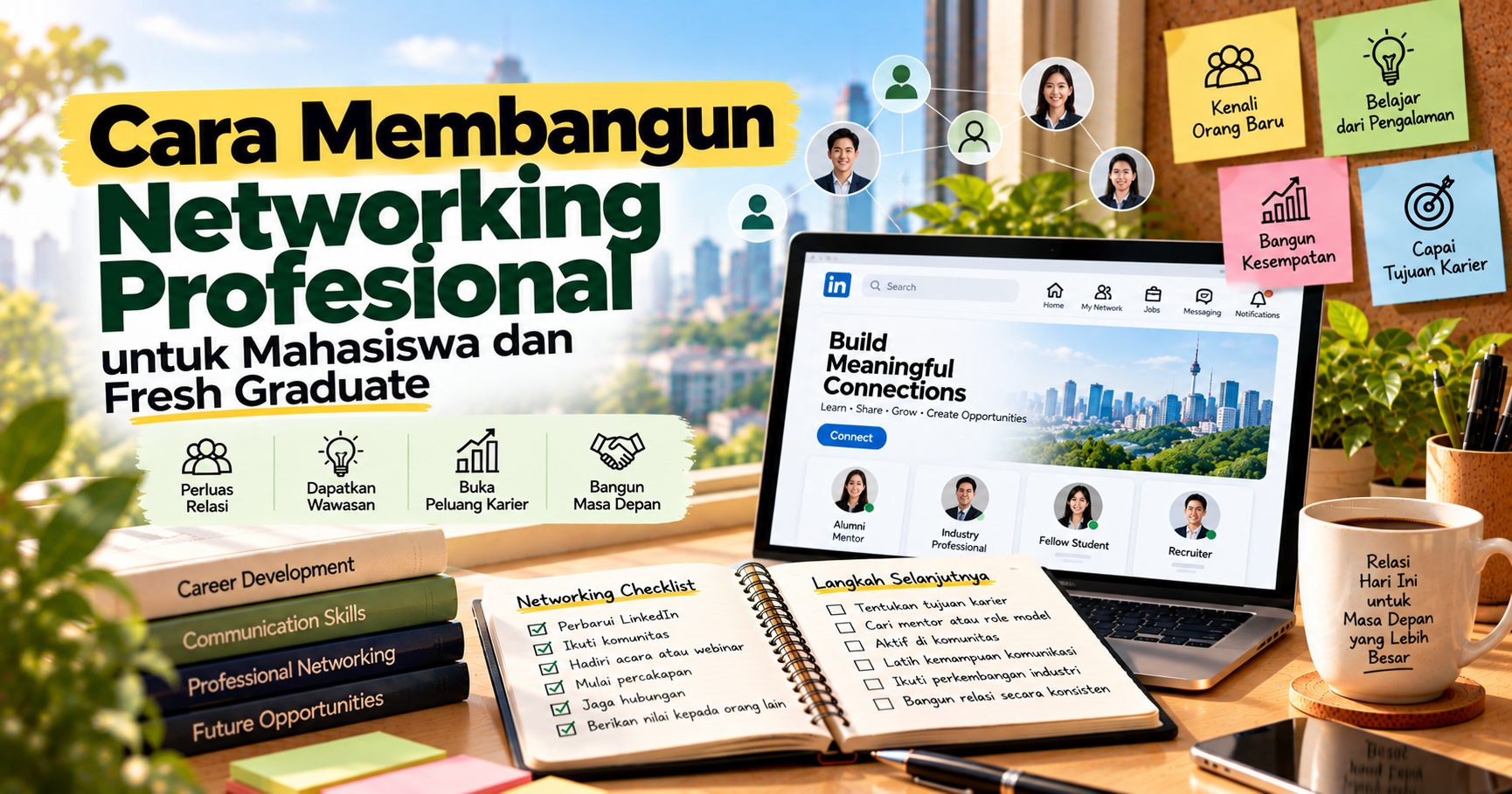
Join relevant communities, attend workshops, participate in student projects, and speak with people whose work interests you. Ask thoughtful questions and offer help when you can.
When reaching out to a professional, explain why you are contacting them and make your request specific. A genuine conversation about their experience can be more valuable than sending a generic message asking for a job.
7. Share Your Learning Journey
You do not need to be an expert before sharing what you learn. Students can build credibility by documenting their progress, reflecting on challenges, and explaining useful concepts to others.
You might publish a short project breakdown, summarize a lesson from an internship, or explain how you solved a problem. Focus on what you learned rather than presenting yourself as someone who already knows everything.
Over time, these contributions can demonstrate curiosity, communication skills, and commitment to improvement. Always respect confidentiality and obtain permission before sharing information about other people or organizations.
8. Create a 30-Day Personal Branding Plan
Start with a simple plan that turns ideas into visible progress.
- Week 1 — Discover: Identify your strengths, interests, target field, and two priority skills.
- Week 2 — Build: Start or improve one practical project that demonstrates your abilities.
- Week 3 — Present: Update your professional profile and organize your portfolio or project examples.
- Week 4 — Connect: Reach out to professionals, participate in a relevant community, and share one useful learning insight.
At the end of the month, review what you accomplished and choose the next skill or project to develop. The goal is not to look successful overnight. It is to build evidence of your growth.
Final Thoughts
Your personal brand is built through repeated actions, not a single profile update. It grows when your skills, work, communication, and values consistently reflect the person you are becoming.
You do not need to wait for your first job to start. Begin with what you know, create something useful, share what you learn, and build relationships with people who inspire you.
Your future career starts before your first job. Take one practical step today and keep improving. Explore more learning and development opportunities with Berani Jadi Hebat. Learn. Build. Become.